Original ScanClick to zoom
Click to zoom
Transcription
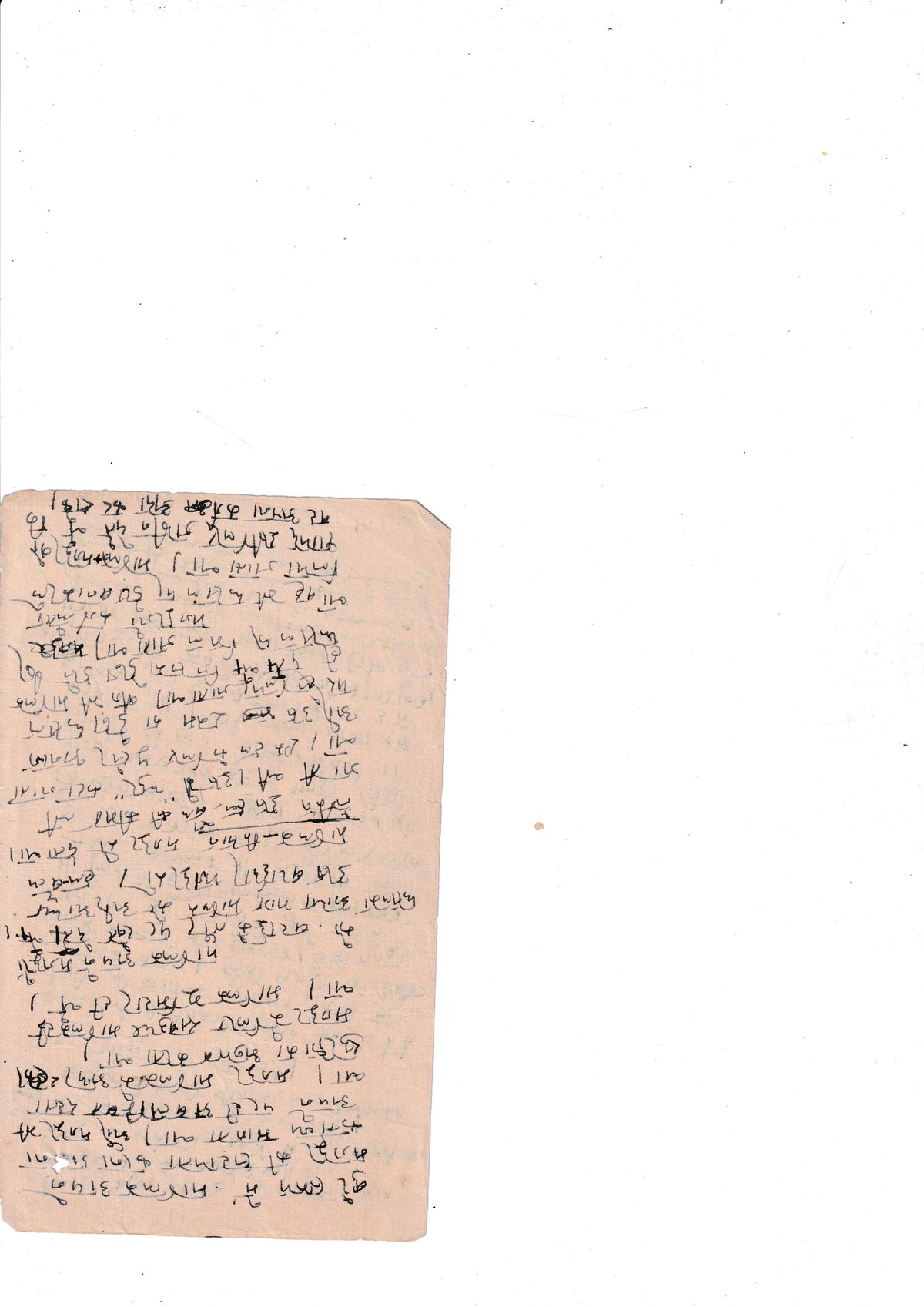
बुरे समय में मालिक अपने मजदूर की सहायता करना अपना कर्तव्य समझता था। और मजदूर भी अपने मालिक पर ही पूर्ण रूप से निर्भर रहता था। मजदूर मालिक में अपनी सुरक्षा का अनुभव करता था। मजदूर के लिए सब कुछ मालिक था। मालिक भूमिहार ही थे।
In bad times, the landlord considered it his duty to help his laborers. And the laborers were also completely dependent on their landlord. The laborer felt secure with the landlord. For the laborer, the landlord was everything. The landlords were Bhumihar.
मालिक अपने मजदूर को चराई के तौर पर रखते थे। फसल का आधा भाग मालिक को और आधा भाग मजदूर को देना था।
The landlords kept their laborers on sharecropping terms. Half the crop had to be given to the landlord and half to the laborer.
इस समय हल, बैल की कीमत भी ली जाती थी। उसके लिए "पुसेर" कहा जाता था। एक हल के लिए पुसेर अनाज उस गांव में डेढ़ा फसल पर जाता था। कभी मालिक मजदूर को देता था जिससे वह अपना काम कर सके।
At this time, the cost of plough and oxen was also charged. This was called "pusar". For one plough, the pusar grain in that village was one and a half times the crop. Sometimes the landlord would give to the laborer so he could do his work.
फसल पर कर्ज भी लिया जाता था। वह भी फसल पर डेढ़ा बना कर लिया जाता था। शायद इसीलिए जमीन देते थे कि वह अपना कर्ज अदा कर सके।
Loans were also taken against the crop. That too was taken at one and a half times the crop value. Perhaps this is why land was given so that he could repay his debt.
In bad times, the landlord considered it his duty to help his laborers. And the laborers were also completely dependent on their landlord. The laborer felt secure with the landlord. For the laborer, the landlord was everything. The landlords were Bhumihar.
मालिक अपने मजदूर को चराई के तौर पर रखते थे। फसल का आधा भाग मालिक को और आधा भाग मजदूर को देना था।
The landlords kept their laborers on sharecropping terms. Half the crop had to be given to the landlord and half to the laborer.
इस समय हल, बैल की कीमत भी ली जाती थी। उसके लिए "पुसेर" कहा जाता था। एक हल के लिए पुसेर अनाज उस गांव में डेढ़ा फसल पर जाता था। कभी मालिक मजदूर को देता था जिससे वह अपना काम कर सके।
At this time, the cost of plough and oxen was also charged. This was called "pusar". For one plough, the pusar grain in that village was one and a half times the crop. Sometimes the landlord would give to the laborer so he could do his work.
फसल पर कर्ज भी लिया जाता था। वह भी फसल पर डेढ़ा बना कर लिया जाता था। शायद इसीलिए जमीन देते थे कि वह अपना कर्ज अदा कर सके।
Loans were also taken against the crop. That too was taken at one and a half times the crop value. Perhaps this is why land was given so that he could repay his debt.
Words: 158Low confidence: 32Avg confidence: 72.2%